Community and Society

Building Stronger Connections in Our Community Together

The Power of Community: How Connections Shape Our Lives

Have you ever found yourself chatting with a neighbor over the fence or sharing a laugh with a barista at your local coffee shop? Those little moments may seem trivial, but they’re actually the building blocks of a strong community. Our neighborhoods, online groups, and even our families play a crucial role in defining who we are. Let’s dive into some heartwarming real-world stories and practical insights about the power of community and the relationships that make our lives richer.

Subsection 1.1: The Neighborhood Potluck

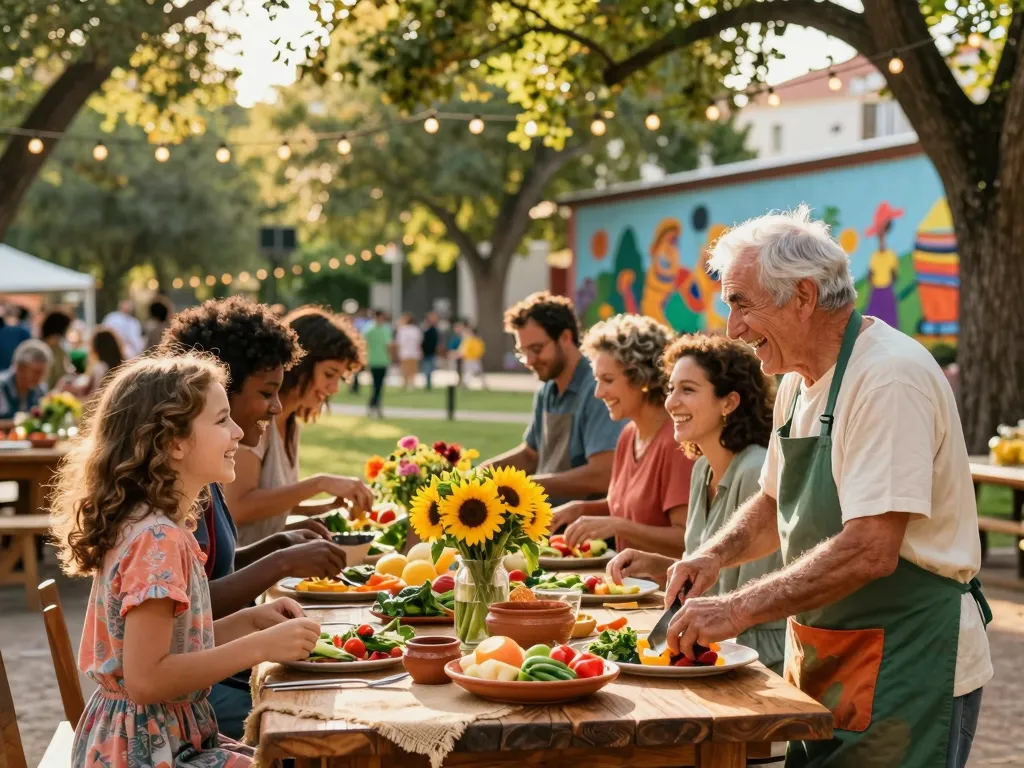
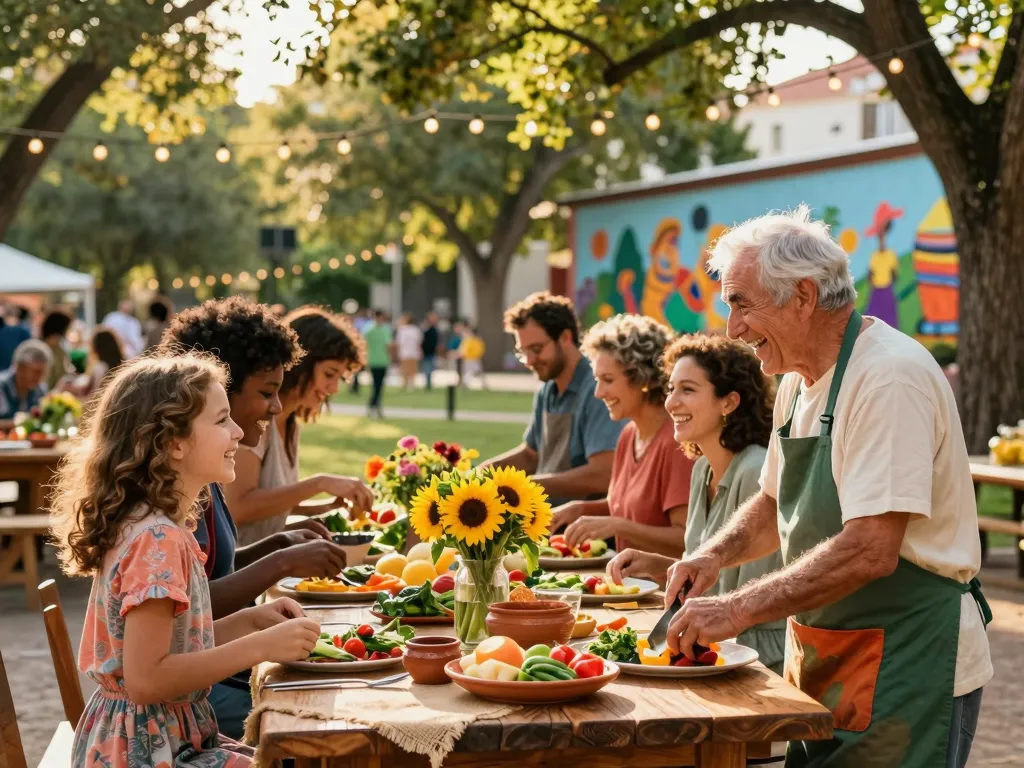
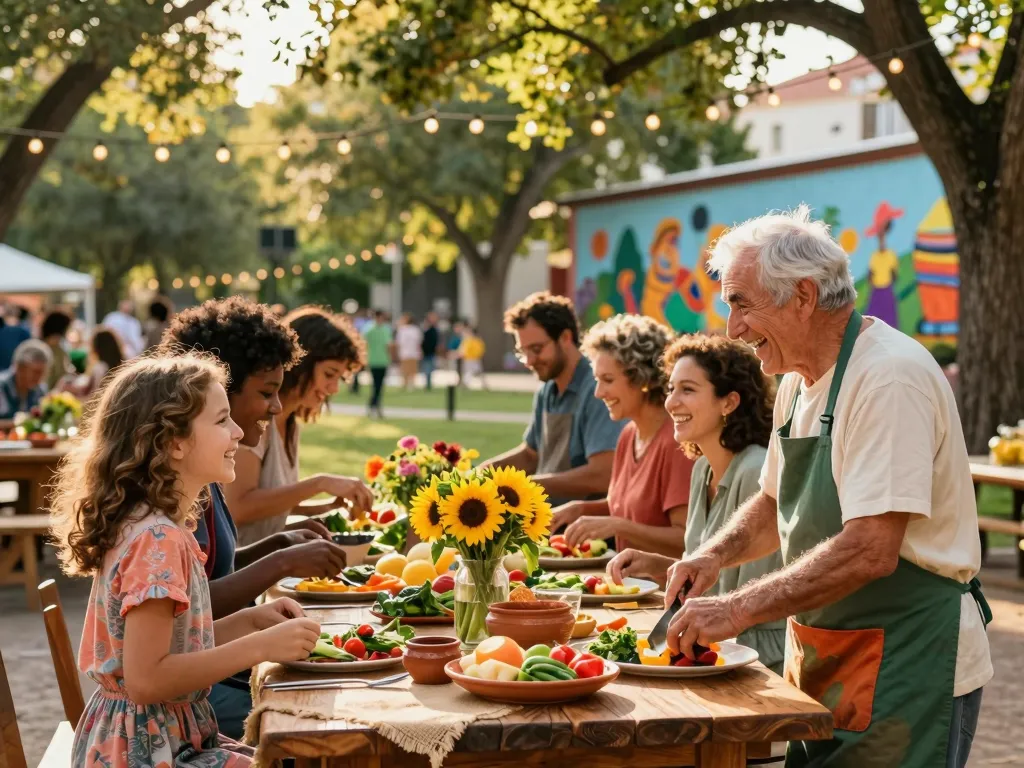
Last summer, my neighborhood organized a potluck that changed the dynamics of our community. At first, I was hesitant to join; after all, mingling with strangers wasn’t exactly my forte. However, I decided to bring my famous potato salad on a whim. To my surprise, this was the best decision I could have made!

As I set up my dish, I struck up conversations with neighbors I had only waved at before. The kids played together, laughter filled the air, and we shared stories over a wide variety of food. Later that night, I left not just with a full belly but with new friendships and a sense of belonging. Potlucks are a great way to break the ice and can happen in any neighborhood—just imagine the joy of discovering that your neighbor makes a killer lasagna!

Subsection 1.2: The Online Support Group

In today’s digital age, communities aren’t confined to geographical boundaries. There’s an incredible online support group for new parents that I stumbled upon while navigating the wild ride of motherhood. The group is filled with parents sharing everything from diaper disasters to sleep deprivation.

One member posted about her struggles with postpartum depression, and the outpouring of support was nothing short of spectacular. It reminded me that while physical communities are important, virtual communities can provide essential emotional support. These platforms allow us to connect with those who truly understand what we’re going through, regardless of distance.

Subsection 1.3: Volunteering: Building Bonds Through Service

Volunteering is one of the most rewarding ways to connect with your community. A friend of mine started helping out at a local animal shelter, and she quickly became part of a tight-knit group of fellow volunteers. They bond over the shared joy of rescuing pets and often plan outings together outside of their volunteer work.

Service creates a unique sense of camaraderie. Whether you’re cleaning up a local park or cooking meals at a shelter, you’re doing meaningful work while forming connections with others who care about the same issues. Plus, volunteering can provide a sense of purpose that enriches your life.

The Magic of Shared Experiences

There’s something undeniably magical about shared experiences. They weave the fabric of our communities, creating bonds that may last a lifetime. From local festivals to spontaneous gatherings, let’s explore how these moments can unite us.

Subsection 2.1: The Town Fair: A Celebration of Togetherness

Every year, our town hosts a fall fair, and let me tell you, it’s the event of the year! Families set up booths selling homemade crafts, local bakeries bring their best treats, and kids eagerly anticipate the hayrides and games. This is where our community truly shines.

During one particular fair, I volunteered to help with the games, and it was here that I met Samantha, a single mom new to the area. We bonded over her son’s relentless enthusiasm for the ring toss and ended up chatting about life, parenting, and our hopes for the future. By the end of the day, we exchanged numbers, and now our kids are best buds! These events can forge connections in the most unexpected ways.

Subsection 2.2: Book Clubs: More Than Just Reading

If you think book clubs are just about discussing novels, think again! My local book club is a rich tapestry of personalities, where sharing stories is just as important as discussing the plot twists of our latest read. Each month, we dive into a new book, but the real magic happens when we gather to share our life stories and experiences related to the themes.

One member opened up about her struggle with grief during a discussion on a novel centered around loss, prompting a heartfelt dialogue. It became a safe space for vulnerability and connection, illustrating that literature can bring people together in profound ways. If you haven’t tried starting or joining a book club, I highly recommend it!

Subsection 2.3: Community Art Projects

Have you ever seen a mural that brightens up a dull street? Community art projects are a fantastic way to beautify public spaces while fostering collaboration. In my neighborhood, we came together to paint a mural that represents our local culture, and it sparked creativity and pride among residents.

During the process, I met artists, students, and retirees, all of whom brought their unique perspectives to the project. The act of creating art in a communal space not only beautifies the area but also fosters a sense of ownership and belonging. Next time you see an opportunity for an art project, consider jumping in—it’s a fun way to meet neighbors and express your community’s values.

Barriers to Connection: Understanding Community Challenges

No community is without its challenges. While we may have beautiful stories about connection, we also face barriers that can hinder our sense of belonging. Recognizing and addressing these challenges is crucial for fostering a more inclusive community.

Subsection 3.1: Cultural Differences: Celebrating Diversity

In our increasingly globalized world, cultural differences can sometimes create barriers to connection. When I moved to a multicultural neighborhood, I was taken aback by the variety of traditions and lifestyles. At first, I felt like an outsider among these rich cultural tapestries.

However, I soon learned the beauty of these differences through open dialogues and community events celebrating each culture. I attended a Diwali festival, where I learned about the significance of lights and family gatherings. The key takeaway? Instead of shying away from differences, embracing and celebrating them can forge deeper connections within our community.

Subsection 3.2: The Loneliness Epidemic

Surprisingly, many people in our communities feel isolated, even in a crowd. A study revealed that loneliness is a growing epidemic, affecting people of all ages. I remember chatting with an elderly neighbor who expressed how disconnected she felt despite living in a bustling area.

To combat this, I started a simple initiative: regular coffee mornings for neighbors. We’d gather at a local café to share stories and laughter. It turned out that many people were craving connection, and those mornings transformed into a cherished routine. If you know someone who may be feeling lonely, a simple invitation can go a long way in bridging that gap.

Subsection 3.3: Economic Disparities: Bridging the Gap

Economic disparities can create unintentional divides within communities. It’s easy to overlook these challenges when you’re comfortable in your bubble. I once volunteered at a food bank and was struck by the stories of resilience I encountered among individuals facing economic hardships.

These experiences transformed my perspective on community and privilege. It’s crucial to engage with and support local initiatives that address economic disparities. Whether it’s donating time, resources, or simply spreading awareness, every small action helps create a more equitable community.

Innovative Solutions: Building Stronger Communities

Every challenge presents an opportunity for innovation and creativity. Communities across the globe are finding unique solutions to enhance connection, collaboration, and support. Let’s explore some inspiring initiatives that are making a difference.

Subsection 4.1: Time Banking: A New Currency of Connection

Imagine being able to exchange your skills for services without using money. That’s the concept behind time banking! In my town, we have a time bank where members offer skills—like tutoring or gardening—in exchange for time credits. Need help with your website? Find someone who needs help with their garden and trade services!

This innovative model fosters a sense of community while providing essential support. It breaks down barriers of economic inequality and encourages collaboration. If you’re interested in establishing or joining a time bank, check local community centers or online platforms that facilitate such exchanges.

Subsection 4.2: Community Gardens: Digging Deeper Together

Community gardens are sprouting up everywhere, and they’re not just about growing vegetables—they’re about cultivating relationships! One of my favorite places is the community garden where I’ve met neighbors from all walks of life, united by a love for gardening.

We share seeds, tips, and even recipes. Working together to cultivate the land fosters teamwork, and the joy of harvesting fresh produce creates a deep sense of accomplishment and community spirit. If you’re looking for a way to connect with your neighborhood, consider starting or joining a community garden!

Subsection 4.3: Skill-Sharing Workshops: Learn While You Connect

Imagine gathering with your neighbors to learn something new like pottery, cooking, or even coding! Skill-sharing workshops have become a hit in many communities. I attended one where a local chef taught us how to make authentic Italian pasta from scratch.

It was a fantastic experience that not only equipped us with new culinary skills but also allowed everyone to bond over food. These workshops can be organized at community centers, libraries, or even in someone’s backyard. They’re a great way to learn, share, and build connections while having fun!

Creating Lasting Impact: The Role of Leadership in Communities

Strong leadership can make a monumental difference in shaping a community. From grassroots organizers to local officials, the right leadership fosters connection, engagement, and empowerment. Let’s discuss how effective leadership plays a role in community development.

Subsection 5.1: Grassroots Movements: Voices of Change

Grassroots movements are often the heartbeat of community change. I remember attending a town hall meeting where community members passionately discussed issues affecting our neighborhood. It was empowering to witness people rallying together to advocate for better public transportation.

Grassroots leadership allows individuals to voice their concerns and push for change. If you’re passionate about a cause, consider becoming involved in local advocacy efforts. Whether it’s attending meetings or starting a petition, your voice matters in shaping your community!

Subsection 5.2: Mentorship Programs: Nurturing Future Leaders

Mentorship is a powerful tool in building community leadership. In my city, there’s a mentorship program connecting young individuals with experienced professionals. I had the privilege of mentoring a high school student interested in journalism, and it became a rewarding experience for both of us.

These programs not only empower youth but also foster intergenerational connections. As mentors share their experiences and insights, they inspire the next generation to become active and engaged community members. If you have expertise in a specific area, consider mentoring someone in your community!

Subsection 5.3: Community Forums: Bridging the Gap Between Leaders and Residents

Creating spaces for open dialogue between community leaders and residents is essential for fostering trust and collaboration. In my town, we host quarterly community forums where residents can raise concerns and share ideas with local officials.

These forums have not only improved communication but have also empowered residents to take an active role in decision-making processes. If your community doesn’t have something similar, advocate for starting one! A simple open forum can bridge gaps and create a more engaged and informed community.

Jobs and Career

Finding Your Dream Job: Tips for Every Career Stage

Finding Your Path: The Journey of Career Exploration

Choosing a career is rarely a straight line. It’s more like a winding path filled with unexpected detours, moments of doubt, and occasionally, thrilling discoveries. Everyone has their own story, shaped by personal experiences and community influences. So, let’s dive into some real-world journeys of finding a fulfilling career, exploring how they navigated their twists and turns.

Subsection 1.1: The Unexpected Turn

Meet Sarah, a passionate artist who started her journey in a corporate marketing job. Like many of us, she took a role that seemed practical after college, but as the years passed, she felt something was missing. One day, while attending a local art show, she was inspired to pick up her paintbrush again. Instead of resigning immediately, she began painting on weekends and built a modest following on social media. Her story teaches us that sometimes, taking a step back can illuminate a path we never considered.

Subsection 1.2: The Power of Community

Then there’s Jamal, who grew up in a small town where opportunities felt scarce. He loved fixing things from a young age—bikes, toys, you name it. However, it wasn’t until a community workshop introduced him to mechanical engineering that he realized he could turn his passion into a career. With encouragement from family and friends, he applied for scholarships and eventually graduated. Jamal’s journey underscores the importance of community support and the opportunities that can arise from unexpected places.

Subsection 1.3: Chasing Dreams, One Step at a Time

Lastly, let’s talk about Maya, who juggled her job as a barista while dreaming of becoming a journalist. It wasn’t easy. She took online courses, honed her writing skills, and volunteered for a local newspaper. Each article she wrote brought her closer to her goal. Eventually, a piece she wrote about local farms caught the eye of a major publication, landing her a full-time role. Maya’s story illustrates that persistence and small steps can lead to significant changes.

Skills Over Degrees: The New Age of Hiring

In today’s competitive job market, skills often outweigh traditional degrees. Employers are increasingly looking for practical knowledge and the ability to adapt. Let’s explore how people have leveraged their skills rather than relying solely on their educational background.

Subsection 2.1: The Rise of the Self-Taught

Carlos was a high school dropout who always had a knack for coding. He spent countless nights teaching himself programming languages through online tutorials and forums. Eventually, he built a portfolio of projects that showcased his skills. After attending a tech meetup and networking, he landed his first job as a junior developer, proving that determination and self-education can open doors.

Subsection 2.2: Transferable Skills from Unlikely Places

Think about Jenna, who worked in retail for years. While she didn’t have a formal business degree, she learned valuable skills like customer service, inventory management, and sales strategies. When she applied for a project manager position at a tech firm, she highlighted her ability to manage teams and projects effectively, landing her an interview. Jenna’s experience illustrates how skills gained in one area can be transferable to another, even in unexpected ways.

Subsection 2.3: Networking Is Key

Let’s not forget about Thomas, who was transitioning from the military to civilian life. He attended various career fairs and networking events, sharing his leadership and logistical skills with potential employers. By leveraging connections and engaging in conversations, he secured a position in logistics management. Thomas’s story highlights the power of networking and how it can lead to opportunities that might not be visible at first glance.

Work-Life Balance: The Art of Juggling Responsibilities

We’ve all heard the phrase “work-life balance,” but what does it really mean? For many, achieving that balance can feel like a never-ending struggle. Here are some real-life experiences that shed light on this ongoing challenge.

Subsection 3.1: The Flexible Work Arrangement

Take Emily, a single parent and healthcare worker. She loved her job but found that long shifts were taking a toll on her family life. After discussing her situation with her supervisor, she transitioned to a part-time role with flexible hours. This adjustment allowed her to manage both her career and parenting more effectively, demonstrating that open communication can lead to workable solutions.

Subsection 3.2: The Side Hustle Balancing Act

Meet Alex, who works full-time in finance but also runs a side business selling homemade candles. He dedicates his weekends to his craft, but balancing both worlds can be exhausting. Alex learned to set strict boundaries for work and personal time, utilizing tools like scheduling apps to carve out time for relaxation. His journey shows that while side hustles are fulfilling, maintaining balance is essential to avoid burnout.

Subsection 3.3: Time Management Mastery

Finally, let’s talk about Priya, a teacher who found her days packed with lesson planning and grading. She struggled to find time for herself until she implemented a time-blocking strategy. By allocating specific hours for school work and personal time, she discovered she could enjoy her hobbies without feeling guilty. Priya’s experience emphasizes the importance of time management and the impact it can have on overall well-being.

Career Change: It’s Never Too Late

Feeling stuck in your current career? You’re not alone! Many people find themselves yearning for a change, regardless of their age or experience. Let’s explore some inspiring stories of individuals who took the leap and transformed their careers.

Subsection 4.1: From Corporate to Craftsmanship

David spent over a decade in corporate finance before realizing he was miserable. One day, while attending a woodworking class, he discovered a passion for craftsmanship. After months of planning and saving, he quit his job to start his own woodworking business. Today, David finds joy in creating custom furniture and connecting with clients. His story serves as a reminder that it’s never too late to pursue a passion.

Subsection 4.2: The Second Act

Consider Linda, a retired nurse who always dreamed of being a travel writer. After retirement, she began documenting her adventures on a blog, sharing tips and experiences from her journeys. Slowly, her blog gained traction, leading to freelance writing opportunities. Linda’s experience highlights that your career doesn’t have to end; it can evolve into something entirely new and fulfilling.

Subsection 4.3: Embracing Fear and Taking the Leap

Lastly, we have Marcus, who spent years in tech but always harbored dreams of becoming a chef. Encouraged by friends and family, he enrolled in culinary school at 35. The transition was challenging, but with hard work, he landed a position at a local restaurant. Marcus’s journey illustrates the importance of facing fears and believing in yourself.

Future-Proofing Your Career: Adapting to Change

In an ever-evolving job market, how do we ensure our careers remain relevant? The key lies in adaptability. Let’s explore how individuals have prepared for the future of work, equipped with skills and resilience.

Subsection 5.1: Lifelong Learning Mindset

Meet Lisa, a software engineer who embraces continuous education. She regularly enrolls in online courses to learn about emerging technologies and trends. By staying updated, she has adapted her skill set to include AI and machine learning, making her a valuable asset to her company. Lisa’s story highlights the importance of a lifelong learning mindset in today’s fast-paced world.

Subsection 5.2: Building a Personal Brand

Then there’s Kevin, a graphic designer who recognized the importance of personal branding. He began sharing his design process on social media and started a blog to showcase his work. This not only attracted clients but also turned him into a thought leader in his niche. Kevin’s experience teaches us that building a personal brand can set you apart and open new opportunities.

Subsection 5.3: Networking in the Digital Age

Finally, let’s discuss Rachel, who initially relied on traditional networking. However, she quickly learned that online platforms such as LinkedIn can expand her reach. By engaging with professionals in her industry and sharing insightful content, she forged meaningful connections that led to job offers and collaborations. Rachel’s story emphasizes that adapting to digital tools is crucial for career growth.

Community and Society

Building Stronger Connections in Our Community Together

The Power of Community: How Connections Shape Our Lives

Have you ever found yourself chatting with a neighbor over the fence or sharing a laugh with a barista at your local coffee shop? Those little moments may seem trivial, but they’re actually the building blocks of a strong community. Our neighborhoods, online groups, and even our families play a crucial role in defining who we are. Let’s dive into some heartwarming real-world stories and practical insights about the power of community and the relationships that make our lives richer.

Subsection 1.1: The Neighborhood Potluck

Last summer, my neighborhood organized a potluck that changed the dynamics of our community. At first, I was hesitant to join; after all, mingling with strangers wasn’t exactly my forte. However, I decided to bring my famous potato salad on a whim. To my surprise, this was the best decision I could have made!

As I set up my dish, I struck up conversations with neighbors I had only waved at before. The kids played together, laughter filled the air, and we shared stories over a wide variety of food. Later that night, I left not just with a full belly but with new friendships and a sense of belonging. Potlucks are a great way to break the ice and can happen in any neighborhood—just imagine the joy of discovering that your neighbor makes a killer lasagna!

Subsection 1.2: The Online Support Group

In today’s digital age, communities aren’t confined to geographical boundaries. There’s an incredible online support group for new parents that I stumbled upon while navigating the wild ride of motherhood. The group is filled with parents sharing everything from diaper disasters to sleep deprivation.

One member posted about her struggles with postpartum depression, and the outpouring of support was nothing short of spectacular. It reminded me that while physical communities are important, virtual communities can provide essential emotional support. These platforms allow us to connect with those who truly understand what we’re going through, regardless of distance.

Subsection 1.3: Volunteering: Building Bonds Through Service

Volunteering is one of the most rewarding ways to connect with your community. A friend of mine started helping out at a local animal shelter, and she quickly became part of a tight-knit group of fellow volunteers. They bond over the shared joy of rescuing pets and often plan outings together outside of their volunteer work.

Service creates a unique sense of camaraderie. Whether you’re cleaning up a local park or cooking meals at a shelter, you’re doing meaningful work while forming connections with others who care about the same issues. Plus, volunteering can provide a sense of purpose that enriches your life.

The Magic of Shared Experiences

There’s something undeniably magical about shared experiences. They weave the fabric of our communities, creating bonds that may last a lifetime. From local festivals to spontaneous gatherings, let’s explore how these moments can unite us.

Subsection 2.1: The Town Fair: A Celebration of Togetherness

Every year, our town hosts a fall fair, and let me tell you, it’s the event of the year! Families set up booths selling homemade crafts, local bakeries bring their best treats, and kids eagerly anticipate the hayrides and games. This is where our community truly shines.

During one particular fair, I volunteered to help with the games, and it was here that I met Samantha, a single mom new to the area. We bonded over her son’s relentless enthusiasm for the ring toss and ended up chatting about life, parenting, and our hopes for the future. By the end of the day, we exchanged numbers, and now our kids are best buds! These events can forge connections in the most unexpected ways.

Subsection 2.2: Book Clubs: More Than Just Reading

If you think book clubs are just about discussing novels, think again! My local book club is a rich tapestry of personalities, where sharing stories is just as important as discussing the plot twists of our latest read. Each month, we dive into a new book, but the real magic happens when we gather to share our life stories and experiences related to the themes.

One member opened up about her struggle with grief during a discussion on a novel centered around loss, prompting a heartfelt dialogue. It became a safe space for vulnerability and connection, illustrating that literature can bring people together in profound ways. If you haven’t tried starting or joining a book club, I highly recommend it!

Subsection 2.3: Community Art Projects

Have you ever seen a mural that brightens up a dull street? Community art projects are a fantastic way to beautify public spaces while fostering collaboration. In my neighborhood, we came together to paint a mural that represents our local culture, and it sparked creativity and pride among residents.

During the process, I met artists, students, and retirees, all of whom brought their unique perspectives to the project. The act of creating art in a communal space not only beautifies the area but also fosters a sense of ownership and belonging. Next time you see an opportunity for an art project, consider jumping in—it’s a fun way to meet neighbors and express your community’s values.

Barriers to Connection: Understanding Community Challenges

No community is without its challenges. While we may have beautiful stories about connection, we also face barriers that can hinder our sense of belonging. Recognizing and addressing these challenges is crucial for fostering a more inclusive community.

Subsection 3.1: Cultural Differences: Celebrating Diversity

In our increasingly globalized world, cultural differences can sometimes create barriers to connection. When I moved to a multicultural neighborhood, I was taken aback by the variety of traditions and lifestyles. At first, I felt like an outsider among these rich cultural tapestries.

However, I soon learned the beauty of these differences through open dialogues and community events celebrating each culture. I attended a Diwali festival, where I learned about the significance of lights and family gatherings. The key takeaway? Instead of shying away from differences, embracing and celebrating them can forge deeper connections within our community.

Subsection 3.2: The Loneliness Epidemic

Surprisingly, many people in our communities feel isolated, even in a crowd. A study revealed that loneliness is a growing epidemic, affecting people of all ages. I remember chatting with an elderly neighbor who expressed how disconnected she felt despite living in a bustling area.

To combat this, I started a simple initiative: regular coffee mornings for neighbors. We’d gather at a local café to share stories and laughter. It turned out that many people were craving connection, and those mornings transformed into a cherished routine. If you know someone who may be feeling lonely, a simple invitation can go a long way in bridging that gap.

Subsection 3.3: Economic Disparities: Bridging the Gap

Economic disparities can create unintentional divides within communities. It’s easy to overlook these challenges when you’re comfortable in your bubble. I once volunteered at a food bank and was struck by the stories of resilience I encountered among individuals facing economic hardships.

These experiences transformed my perspective on community and privilege. It’s crucial to engage with and support local initiatives that address economic disparities. Whether it’s donating time, resources, or simply spreading awareness, every small action helps create a more equitable community.

Innovative Solutions: Building Stronger Communities

Every challenge presents an opportunity for innovation and creativity. Communities across the globe are finding unique solutions to enhance connection, collaboration, and support. Let’s explore some inspiring initiatives that are making a difference.

Subsection 4.1: Time Banking: A New Currency of Connection

Imagine being able to exchange your skills for services without using money. That’s the concept behind time banking! In my town, we have a time bank where members offer skills—like tutoring or gardening—in exchange for time credits. Need help with your website? Find someone who needs help with their garden and trade services!

This innovative model fosters a sense of community while providing essential support. It breaks down barriers of economic inequality and encourages collaboration. If you’re interested in establishing or joining a time bank, check local community centers or online platforms that facilitate such exchanges.

Subsection 4.2: Community Gardens: Digging Deeper Together

Community gardens are sprouting up everywhere, and they’re not just about growing vegetables—they’re about cultivating relationships! One of my favorite places is the community garden where I’ve met neighbors from all walks of life, united by a love for gardening.

We share seeds, tips, and even recipes. Working together to cultivate the land fosters teamwork, and the joy of harvesting fresh produce creates a deep sense of accomplishment and community spirit. If you’re looking for a way to connect with your neighborhood, consider starting or joining a community garden!

Subsection 4.3: Skill-Sharing Workshops: Learn While You Connect

Imagine gathering with your neighbors to learn something new like pottery, cooking, or even coding! Skill-sharing workshops have become a hit in many communities. I attended one where a local chef taught us how to make authentic Italian pasta from scratch.

It was a fantastic experience that not only equipped us with new culinary skills but also allowed everyone to bond over food. These workshops can be organized at community centers, libraries, or even in someone’s backyard. They’re a great way to learn, share, and build connections while having fun!

Creating Lasting Impact: The Role of Leadership in Communities

Strong leadership can make a monumental difference in shaping a community. From grassroots organizers to local officials, the right leadership fosters connection, engagement, and empowerment. Let’s discuss how effective leadership plays a role in community development.

Subsection 5.1: Grassroots Movements: Voices of Change

Grassroots movements are often the heartbeat of community change. I remember attending a town hall meeting where community members passionately discussed issues affecting our neighborhood. It was empowering to witness people rallying together to advocate for better public transportation.

Grassroots leadership allows individuals to voice their concerns and push for change. If you’re passionate about a cause, consider becoming involved in local advocacy efforts. Whether it’s attending meetings or starting a petition, your voice matters in shaping your community!

Subsection 5.2: Mentorship Programs: Nurturing Future Leaders

Mentorship is a powerful tool in building community leadership. In my city, there’s a mentorship program connecting young individuals with experienced professionals. I had the privilege of mentoring a high school student interested in journalism, and it became a rewarding experience for both of us.

These programs not only empower youth but also foster intergenerational connections. As mentors share their experiences and insights, they inspire the next generation to become active and engaged community members. If you have expertise in a specific area, consider mentoring someone in your community!

Subsection 5.3: Community Forums: Bridging the Gap Between Leaders and Residents

Creating spaces for open dialogue between community leaders and residents is essential for fostering trust and collaboration. In my town, we host quarterly community forums where residents can raise concerns and share ideas with local officials.

These forums have not only improved communication but have also empowered residents to take an active role in decision-making processes. If your community doesn’t have something similar, advocate for starting one! A simple open forum can bridge gaps and create a more engaged and informed community.

Pets and Animals

Everyday Tips for Loving and Caring for Your Pets

The Heartwarming Connection: Stories of Pets Changing Lives

Nothing beats that wagging tail greeting you at the door or the gentle purr that calms your nerves after a long day. Pets have this magical ability to transform our lives in ways we never expected. Take Lisa, for example. She adopted a scruffy little terrier named Max from her local shelter, and ever since, he’s been her four-legged therapist. Whenever her anxiety flares up, Max is right there, sensing her mood and providing comfort. These are the type of heartfelt connections that pet owners cherish, and they’re just the tip of the iceberg.

The Rescue That Rescued Us

For many, adopting a rescue pet is a life-changing experience. When Tom and Sarah decided to adopt a cat, they visited the local animal shelter, where they met Bella, a shy tabby with big green eyes. Bella hid in the corner, unsure of her new surroundings, and it took weeks for her to warm up to her new family. But when she finally did, she became the glue that held their family together. Tom recalls, “I didn’t realize how much we needed her until she started following us around the house. It really brought us closer as a family.”

The Unexpected Therapist

Pets often have an uncanny ability to sense when we’re down. Take Jenna, for example. After a tough breakup, she found solace in her golden retriever, Cooper. Without even trying, Cooper would nudge her hand or snuggle up beside her, prompting her to take a moment to breathe. “He just knew when I needed him most,” she says. This kind of emotional support is why so many people consider their pets family members, providing emotional comfort when we need it the most.

Community Bonds Through Pets

Pets also play a critical role in connecting us with our communities. In many neighborhoods, dog parks serve as social hubs. Melissa, who recently moved to a new city, found that taking her pug, Daisy, to the local dog park was the perfect way to meet new people. “I started chatting with other dog owners, and before I knew it, I had a whole group of friends,” she shares. It’s a reminder that these furry companions can open doors to new friendships and experiences.

Choosing the Right Pet for Your Lifestyle

When it comes to choosing a pet, it’s essential to consider your lifestyle and what animal fits in best. Not everyone can handle a high-energy pup, and that’s okay! Let’s explore how to choose the right pet for your needs and the stories that illustrate these choices.

The Couch Potato Cat

For individuals leading a more laid-back lifestyle, adopting a cat might be the perfect fit. Sarah, who works from home, found her feline friend, Mittens, during a volunteer day at a local animal shelter. “I honestly didn’t think I’d get a cat, but she was just so chill and loved lounging on my desk while I worked. It’s the perfect match!” she says. Cats often require less maintenance than dogs, making them an ideal choice for busy lifestyles.

Active Lifestyles and Dogs

If you find joy in outdoor activities, a dog might be the best companion to match your energy. Ryan, an avid hiker, adopted a border collie named Scout, and now they’re inseparable adventurers. “Scout loves to run and play, and he’s even helped me discover new trails,” Ryan shares. The bond they’ve built through shared experiences has enriched both their lives, proving that the right pet can complement your passions.

Small Pets for Small Spaces

For those living in apartments or smaller spaces, small pets like hamsters, guinea pigs, or even fish can be fulfilling companions. Lisa, a busy student, found joy in her two guinea pigs, Coco and Puff. “They’re low maintenance, and watching them interact is hilarious,” she says. It’s a reminder that you don’t need a lot of space to enjoy the companionship of a pet.

Training and Bonding: Building a Trusting Relationship

Once you’ve chosen your furry friend, the next step is building a bond through training. This can be a rewarding journey that strengthens your connection with your pet. Here’s how real-world experiences highlight the importance of patience and love in training.

Puppy Training: The Early Days

When Emily adopted her golden retriever puppy, Luna, she knew that early training was essential. “We started with basic commands like ‘sit’ and ‘stay,’ and I was amazed at how quickly she picked things up!” Emily recalls. Consistency, patience, and plenty of treats helped Luna become a well-behaved dog. It’s a great reminder that investing time in training early on pays off in the long run.

The Challenges of Cat Training

While cats are often seen as more independent, they can be trained too! Mark, who adopted a mischievous kitten named Gizmo, found that clicker training worked wonders. “I never thought I could teach a cat anything, but Gizmo learned to do tricks! It’s all about making it fun for them,” he explains. The bond formed through this training is both rewarding and entertaining.

The Power of Positive Reinforcement

Training doesn’t have to be a chore; it can be a fun bonding experience! Using positive reinforcement, as demonstrated by countless pet parents, can make training a joy for both you and your pet. “Every time my dog, Bella, does something right, I give her a treat and lots of praise. She loves it, and it makes her want to learn more,” shares Laura. Positive reinforcement not only teaches commands but also builds trust and affection.

The Importance of Pet Health and Wellness

Caring for a pet goes beyond love and companionship; it also involves ensuring their health and happiness. Regular vet check-ups, balanced diets, and exercise are crucial components that can lead to a long, fulfilling life for your furry friend.

Routine Vet Visits: A Necessity, Not a Luxury

Taking your pet to the vet may not be fun for either party, but it’s essential for their health. When Jenna adopted her dog, Rex, she was diligent about scheduling his veterinary appointments. “I learned the hard way that skipping a check-up can lead to unexpected health issues. Rex had a hidden dental problem that was caught early thanks to routine visits,” she explains. Following this advice can save you from heartache down the road!

Nutrition: Fueling Their Adventures

Feeding your pet a balanced diet is critical. As Sarah learned with Bella, not all pet foods are created equal. “I switched Bella to a grain-free diet after realizing she was sensitive to certain ingredients. It made a world of difference in her energy and coat!” Nutrition plays a vital role in your pet’s overall well-being, so investing time in understanding their dietary needs is essential.

Exercise: More Than Just Playtime

Regular exercise is essential for a pet’s health. Dogs especially benefit from daily walks and playtime. Emily discovered the importance of keeping Luna active when she noticed her pup getting restless. “I started taking her on longer walks, and not only did she seem happier, but it also strengthened our bond,” she says. Remember, exercise isn’t just for physical health; it also helps with mental stimulation.

Creating a Pet-Friendly Household

Bringing a pet into your home requires some adjustments to ensure their safety and comfort. From pet-proofing your space to creating a welcoming environment, let’s explore how you can make your home a happy sanctuary for your furry friend.

Pet-Proofing Your Home

Pets are curious creatures, and ensuring your home is safe for them is a top priority. Mark learned this lesson the hard way when Gizmo got into a cabinet full of cleaning supplies. “I didn’t realize how quickly he could get into things! Now, everything is out of reach, and I feel much better knowing he’s safe,” he shares. Simple changes, like securing trash cans and moving harmful substances, can prevent accidents.

Comfort Zones for Your Pets

Pets thrive when they have their own space. Lisa created a cozy corner for Mittens by adding a soft bed and a little scratching post. “Having her own area has made her feel secure and kept her from scratching the furniture!” she laughs. Providing a dedicated space for your pet helps them feel at home and reduces anxiety.

Engaging Activities for Mental Stimulation

Keep your pet mentally stimulated with activities that challenge them. Ryan found that puzzle toys and interactive games kept Scout engaged while he was busy. “It’s amazing to watch him figure things out. It keeps him happy and out of trouble!” he explains. Engaging activities can help prevent boredom and destructive behavior, making for a happier pet.

Health

Simple Habits for a Healthier Life You Can Start Today

Navigating the Maze of Nutrition

Eating healthy can sometimes feel like navigating a complex maze. With all the diet fads and food trends swirling around, it’s easy to feel overwhelmed. But let’s take a moment to unpack this with some real-world experiences and insights from everyday folks who have tackled the nutritional journey head-on.

Subsection 1.1: The Smoothie Saga

Take Sarah, for example. She was stuck in a rut with her breakfast choices—always reaching for sugary cereals that left her craving more in just an hour. In her quest for a healthier start to the day, Sarah discovered smoothies. At first, she struggled with the combinations, but after a few trial-and-error sessions, she found the perfect mix: spinach, banana, and a scoop of peanut butter. Not only did this give her sustained energy, but it also turned breakfast into something she looked forward to. The key takeaway? Don’t be afraid to experiment; find what works for you.

Subsection 1.2: Label Smarts

Then there’s Tom, a dad of two who always thought he was making healthy choices until he took a closer look at the labels on his favorite granola bars. He discovered that many of them were loaded with sugars and preservatives. Armed with this new knowledge, Tom began reading labels like a detective solving a mystery. He turned to whole foods—think fruits, nuts, and oats—crafting his own granola bars at home. The best part? His kids loved helping out, making it a fun family activity. The moral? Knowledge is power; take the time to understand what you’re really eating.

Subsection 1.3: Community Cook-Offs

In a small town, a group of friends decided to host a monthly cook-off, with a twist: every dish had to be healthy. This turned into a delightful competition, where everyone shared their favorite recipes and cooking tips. Julie made a kale salad that was a crowd-pleaser, while Mike showcased an incredible quinoa dish. The camaraderie of sharing meals and ideas brought them closer and inspired healthier eating habits in the entire neighborhood. Community support can be a game-changer; find your local tribe and get cooking!

Understanding Mental Health

Mental health is often a topic we tiptoe around, but it’s crucial. It’s not just about having a diagnosis; it’s about how we all feel and cope with daily life. Let’s talk about some real experiences that shed light on this important aspect of health.

Subsection 2.1: The Power of Journaling

Meet Alex, a young professional who struggled with anxiety. After a particularly overwhelming week, a friend suggested he try journaling. At first, he was skeptical, but he decided to give it a shot. He started writing down his thoughts and feelings each night, which turned out to be a therapeutic release. It helped him see patterns in his anxiety triggers and brought clarity. Journaling isn’t just a trend; it can be a powerful tool for self-discovery and emotional processing.

Subsection 2.2: Nature’s Therapy

On the other hand, we have Jessica, who found solace in nature. After experiencing burnout at work, she took up hiking as a way to decompress. Each weekend, she explored local trails, and the simple act of being outdoors worked wonders for her mental well-being. She often reflected on how nature seemed to ground her, providing a much-needed escape from everyday stressors. If you’re feeling overwhelmed, consider stepping outside—fresh air can do wonders!

Subsection 2.3: Group Support Systems

Lastly, there’s Raj, who found his peace in a support group for new fathers. Initially hesitant to join, he soon realized that the shared experiences of sleepless nights and parenting woes were incredibly validating. The group became a safe space where he could vent, learn, and laugh with others facing similar challenges. The lesson here is that you’re not alone; sometimes, it just takes connecting with others to lighten the load.

Physical Fitness: Finding What Moves You

Physical fitness is another vast landscape, and finding the right activity can feel daunting. But when you hear personal stories, it all becomes a bit clearer. Let’s dive into how people have embraced fitness in their own unique ways.

Subsection 3.1: Dance it Out

Consider Mia, who had never been particularly active. One day, a friend invited her to a Zumba class, and she reluctantly agreed. To her surprise, she found herself having so much fun that she forgot she was even exercising! Mia’s story is a reminder that fitness doesn’t have to be a chore; it can be a dance party! Finding a fun way to move is often the key to sticking with a routine.

Subsection 3.2: The Joy of Team Sports

Then there’s Leo, who rediscovered his love for soccer in his 30s. After years of working a desk job, he joined a local league and found a community of like-minded individuals. The camaraderie, competition, and exercise all in one package reignited his passion for fitness. Leo’s experience shows that teamwork can be a motivator—finding a group or a sport you love can make all the difference.

Subsection 3.3: Home Workouts Go Viral

Finally, there’s Sam, a single mom who turned to home workouts during the pandemic. She discovered numerous online platforms for guided workouts, from yoga to high-intensity interval training (HIIT). Initially hesitant, she found a rhythm that worked for her schedule and started feeling stronger physically and mentally. Sam’s journey highlights the importance of flexibility; finding workouts that fit into your life can make staying active much easier.

Sleep: The Unsung Hero of Health

Sleep often gets overshadowed by flashy health trends, but it’s essential. Let’s hear some real-life stories that underscore just how critical good sleep is to our overall well-being.

Subsection 4.1: The Sleep Experiment

Take Mark, an entrepreneur who was burning the candle at both ends. After attending a wellness seminar, he decided to commit to a month of improving his sleep hygiene. He implemented a strict bedtime routine, limiting screen time and creating a cozy sleep environment. By the end of the month, Mark felt fresher, more focused, and less stressed. His story highlights the impact of prioritizing sleep; sometimes a few small changes can lead to big results!

Subsection 4.2: The Napping Debate

Then there’s Lisa, who swears by power naps. While many believe napping is counterproductive, Lisa shared how a quick afternoon snooze revitalizes her day. She’s found that setting a timer for 20 minutes allows her to recharge without interfering with her nighttime sleep. Everyone’s sleep needs vary; it’s all about finding what works for you. Embrace the nap if it helps!

Subsection 4.3: Sleep and Nutrition Connection

Lastly, we have Ben, who realized that what he ate had a significant effect on his sleep quality. After some experimentation, he learned that heavy meals before bed disrupted his sleep. So, he started opting for lighter dinners and herbal teas in the evening. This connection between diet and sleep is often overlooked, but it’s worth paying attention to. Eating mindfully can be a game-changer for a restful night!

Building Resilience in Health

Resilience is the ability to bounce back from challenges, and cultivating this trait is crucial for maintaining health in all aspects of life. Let’s explore how different individuals have built resilience and what we can learn from them.

Subsection 5.1: Facing Setbacks Head-On

Meet Carla, who faced a significant setback when she was diagnosed with a chronic illness. Instead of letting it define her, she sought to understand her condition and how to manage it. Carla began attending workshops and connecting with others facing similar challenges. Her drive to learn and adapt converted her struggles into strengths, teaching her that resilience is about gathering knowledge and support. Facing your hurdles can lead to unexpected growth.

Subsection 5.2: The Power of Mindfulness

Then there’s Eric, who turned to mindfulness practices to handle stress. After losing his job, he felt overwhelmed and anxious. By incorporating meditation and deep breathing into his daily routine, he learned to stay grounded and present. Eric’s experience illustrates the power of mindfulness; it can be a crucial aspect of building resilience. It’s about finding tools that help you cope with life’s ups and downs.

Subsection 5.3: Learning from the Community

Finally, we have Samantha, who faced challenges with her mental health. Instead of isolating herself, she engaged with her community through volunteering. This not only provided her with a sense of purpose but also strengthened her support network. Samantha’s journey teaches us that resilience often flourishes in community; reaching out and helping others can be incredibly healing. You never know how much strength lies in togetherness!

Business and Consumer Services

How Business Services Make Life Easier for Everyday Consumers

The Power of Local Businesses in Our Lives

When you think about how we interact with businesses on a daily basis, it’s clear that local businesses often play a vital role in our communities. Just last week, I visited my favorite coffee shop, Beans & Brews, where the barista knows my order by heart—medium latte with oat milk, please! This personal touch is the magic that keeps us coming back, and it’s a great example of how local businesses create a unique customer experience that big chains can’t replicate. From the corner bakery to the family-owned hardware store, these small businesses thrive on building relationships that go beyond simple transactions.

Building Community Connections

Think about it: how many times have you stopped at a local farmer’s market and struck up a conversation with a vendor? Those interactions foster a sense of community that’s often missing in larger retail environments. For instance, I remember chatting with a local farmer about his sustainable farming practices while buying tomatoes. He shared tips on growing my own vegetables, and just like that, I felt more connected not only to him but also to the food I was purchasing.

Supporting Local Economies

According to studies, when you spend a dollar at a local business, a significant portion of that money stays in the community. For example, the Institute for Local Self-Reliance found that local businesses create jobs and provide more economic benefits to their communities than big-box stores. So, every time you buy that artisan bread from your neighborhood bakery, you’re not just getting a delicious treat—you’re also investing in your community’s economy.

Real Stories of Resilience

Take Sarah’s Story, a local florist who transformed her business after the pandemic hit. Initially, she struggled with declining sales, but she pivoted to online orders and began offering delivery services to local customers. Sarah shared with me how she started a “surprise bouquet” subscription service, which instantly became a hit during those uncertain times. Her story is a testament to the resilience of local businesses and their ability to adapt and thrive even in the face of adversity.

Navigating Consumer Services: What You Need to Know

Consumer services encompass a vast range of businesses, from hair salons to repair shops and everything in between. But navigating this landscape can sometimes feel overwhelming. I recently had to find a new dentist, and the experience took me on a mini-adventure through online reviews, recommendations, and even social media. It’s these real-world scenarios that help us uncover gems in our local consumer service market.

Leveraging Online Reviews

Gone are the days of flipping through the Yellow Pages. Nowadays, online reviews are like gold when it comes to choosing a service provider. Websites like Yelp or Google Reviews can provide insights that help you make an informed decision. I remember finding my current dentist through a glowing review from someone who praised their gentle approach and friendly staff. Reading that made a huge difference in my choice.

Ask for Recommendations

Sometimes the best advice comes from friends and family. When looking for a reliable mechanic, I asked my neighbor, who has lived in the area for years. He recommended a local shop that not only provided great service but also treated their customers fairly. It’s these personal experiences that can guide you towards trustworthy consumer services, making it easier to find the right fit.

Understanding Pricing Structures

Every service provider has their pricing quirks. For example, my hair stylist has a tiered pricing structure based on experience and demand. When I first started going to her, I was surprised but quickly learned that paying a little extra for someone with more experience often leads to a better result. Understanding these pricing structures can help you budget accordingly and ensure you’re getting good value for your money.

The Rise of Subscription Services

Subscription services have exploded in popularity, and it’s easy to see why. From meal kits to streaming services, the convenience factor is through the roof. I recently signed up for a monthly box that delivers artisanal snacks from around the world, and it’s like a mini-vacation each month! But with so many options out there, how do you navigate the landscape of subscription services effectively?

Evaluating Your Needs

Before diving into a subscription, it’s crucial to evaluate what you truly need. Are you looking for convenience, entertainment, or maybe even a new hobby? For example, if you’re busy with work but want to eat healthier, a meal kit service might be perfect for you. I found that by asking myself these questions, I could avoid signing up for services that wouldn’t add value to my life.

Trial Periods and Flexibility

Many subscription services offer trial periods, which can be a game-changer. I recently tried a streaming service that had a month-long free trial. This allowed me to explore their library and see if it was worth the monthly fee. Be sure to take advantage of these opportunities—they can save you money and help you make informed decisions about whether a subscription fits into your lifestyle.

Community and Connection

Subscription services aren’t just about products; many cultivate a community. For instance, I’m part of a book club that uses a subscription book service. Each month, we receive a new title and get together virtually to discuss it. This shared experience enhances the value of the subscription and fosters connections with fellow readers, which is something I didn’t expect but absolutely love.

The Importance of Customer Service

Let’s face it: we’ve all had experiences with customer service that left us feeling less than satisfied. However, the quality of customer service can make or break your relationship with a business. As a consumer, understanding what to expect and how to advocate for yourself can lead to a much more positive experience.

Real-Life Customer Service Wins

Imagine this scenario: you ordered a pair of shoes online, but they arrived damaged. Instead of a hassle, you contact customer service and explain the situation. To your delight, they not only send you a replacement pair but also offer a discount on your next purchase. That’s a real win! I had a similar experience when my favorite clothing brand promptly resolved an issue with a defective product, and it turned me into a loyal customer for life.

Recognizing Poor Service

On the flip side, we sometimes encounter poor customer service that leaves us frustrated. I once waited on hold for over an hour to resolve a billing issue with a utility company, only to be met with indifference once I finally got through. Recognizing signs of poor service can empower you to take action, whether that means escalating the issue or choosing to take your business elsewhere.

Taking Action: How to Advocate for Yourself

When you face a service issue, it’s important to approach it with confidence. Start with clear communication, and don’t hesitate to ask for a manager if needed. I learned this firsthand while dealing with an airline after my flight was canceled. By staying calm and being persistent, I not only received a refund but also a voucher for future travel. It’s all about advocating for yourself while remaining respectful. Remember, it’s okay to stand up for what you deserve as a consumer!

The Future of Business and Consumer Services

The landscape of business and consumer services is ever-evolving, especially with technology at the forefront. From AI chatbots to contactless payments, staying informed about these changes can enhance your experience as a consumer. Recently, I discovered that my favorite grocery store introduced a new app that allows me to order online and pick up my groceries without stepping inside. It’s innovations like these that make our lives easier and more efficient.

Embracing Technology

As technology advances, so too do the services available to us. For instance, many beauty salons are now offering online booking systems, which I find incredibly convenient. No more waiting on hold or trying to find an open slot! This ease of access is a game-changer, allowing us to better fit appointments into our busy schedules.

Staying Informed About Trends

It’s essential to stay informed about trends that can impact our consumer choices. For example, the rise of eco-friendly products is reshaping various industries—from cleaning supplies to fashion. I’ve noticed that more local shops are prioritizing sustainability, which definitely influences my purchasing decisions. By being aware of these trends, you can make choices that align with your values.

Supporting Innovations in Customer Service

Finally, keep an eye out for businesses that are innovating in their customer service approaches. Many companies are adopting more personalized experiences, such as tailored recommendations based on previous purchases. I love how my favorite online bookstore now suggests titles based on my reading history. It feels like they truly understand my taste, which enhances my shopping experience and keeps me coming back for more.

Health

Simple Habits for a Healthier Life You Can Start Today

Navigating the Maze of Nutrition

Eating healthy can sometimes feel like navigating a complex maze. With all the diet fads and food trends swirling around, it’s easy to feel overwhelmed. But let’s take a moment to unpack this with some real-world experiences and insights from everyday folks who have tackled the nutritional journey head-on.

Subsection 1.1: The Smoothie Saga

Take Sarah, for example. She was stuck in a rut with her breakfast choices—always reaching for sugary cereals that left her craving more in just an hour. In her quest for a healthier start to the day, Sarah discovered smoothies. At first, she struggled with the combinations, but after a few trial-and-error sessions, she found the perfect mix: spinach, banana, and a scoop of peanut butter. Not only did this give her sustained energy, but it also turned breakfast into something she looked forward to. The key takeaway? Don’t be afraid to experiment; find what works for you.

Subsection 1.2: Label Smarts

Then there’s Tom, a dad of two who always thought he was making healthy choices until he took a closer look at the labels on his favorite granola bars. He discovered that many of them were loaded with sugars and preservatives. Armed with this new knowledge, Tom began reading labels like a detective solving a mystery. He turned to whole foods—think fruits, nuts, and oats—crafting his own granola bars at home. The best part? His kids loved helping out, making it a fun family activity. The moral? Knowledge is power; take the time to understand what you’re really eating.

Subsection 1.3: Community Cook-Offs

In a small town, a group of friends decided to host a monthly cook-off, with a twist: every dish had to be healthy. This turned into a delightful competition, where everyone shared their favorite recipes and cooking tips. Julie made a kale salad that was a crowd-pleaser, while Mike showcased an incredible quinoa dish. The camaraderie of sharing meals and ideas brought them closer and inspired healthier eating habits in the entire neighborhood. Community support can be a game-changer; find your local tribe and get cooking!

Understanding Mental Health

Mental health is often a topic we tiptoe around, but it’s crucial. It’s not just about having a diagnosis; it’s about how we all feel and cope with daily life. Let’s talk about some real experiences that shed light on this important aspect of health.

Subsection 2.1: The Power of Journaling

Meet Alex, a young professional who struggled with anxiety. After a particularly overwhelming week, a friend suggested he try journaling. At first, he was skeptical, but he decided to give it a shot. He started writing down his thoughts and feelings each night, which turned out to be a therapeutic release. It helped him see patterns in his anxiety triggers and brought clarity. Journaling isn’t just a trend; it can be a powerful tool for self-discovery and emotional processing.

Subsection 2.2: Nature’s Therapy

On the other hand, we have Jessica, who found solace in nature. After experiencing burnout at work, she took up hiking as a way to decompress. Each weekend, she explored local trails, and the simple act of being outdoors worked wonders for her mental well-being. She often reflected on how nature seemed to ground her, providing a much-needed escape from everyday stressors. If you’re feeling overwhelmed, consider stepping outside—fresh air can do wonders!

Subsection 2.3: Group Support Systems

Lastly, there’s Raj, who found his peace in a support group for new fathers. Initially hesitant to join, he soon realized that the shared experiences of sleepless nights and parenting woes were incredibly validating. The group became a safe space where he could vent, learn, and laugh with others facing similar challenges. The lesson here is that you’re not alone; sometimes, it just takes connecting with others to lighten the load.

Physical Fitness: Finding What Moves You

Physical fitness is another vast landscape, and finding the right activity can feel daunting. But when you hear personal stories, it all becomes a bit clearer. Let’s dive into how people have embraced fitness in their own unique ways.

Subsection 3.1: Dance it Out

Consider Mia, who had never been particularly active. One day, a friend invited her to a Zumba class, and she reluctantly agreed. To her surprise, she found herself having so much fun that she forgot she was even exercising! Mia’s story is a reminder that fitness doesn’t have to be a chore; it can be a dance party! Finding a fun way to move is often the key to sticking with a routine.

Subsection 3.2: The Joy of Team Sports

Then there’s Leo, who rediscovered his love for soccer in his 30s. After years of working a desk job, he joined a local league and found a community of like-minded individuals. The camaraderie, competition, and exercise all in one package reignited his passion for fitness. Leo’s experience shows that teamwork can be a motivator—finding a group or a sport you love can make all the difference.

Subsection 3.3: Home Workouts Go Viral

Finally, there’s Sam, a single mom who turned to home workouts during the pandemic. She discovered numerous online platforms for guided workouts, from yoga to high-intensity interval training (HIIT). Initially hesitant, she found a rhythm that worked for her schedule and started feeling stronger physically and mentally. Sam’s journey highlights the importance of flexibility; finding workouts that fit into your life can make staying active much easier.

Sleep: The Unsung Hero of Health

Sleep often gets overshadowed by flashy health trends, but it’s essential. Let’s hear some real-life stories that underscore just how critical good sleep is to our overall well-being.

Subsection 4.1: The Sleep Experiment

Take Mark, an entrepreneur who was burning the candle at both ends. After attending a wellness seminar, he decided to commit to a month of improving his sleep hygiene. He implemented a strict bedtime routine, limiting screen time and creating a cozy sleep environment. By the end of the month, Mark felt fresher, more focused, and less stressed. His story highlights the impact of prioritizing sleep; sometimes a few small changes can lead to big results!

Subsection 4.2: The Napping Debate

Then there’s Lisa, who swears by power naps. While many believe napping is counterproductive, Lisa shared how a quick afternoon snooze revitalizes her day. She’s found that setting a timer for 20 minutes allows her to recharge without interfering with her nighttime sleep. Everyone’s sleep needs vary; it’s all about finding what works for you. Embrace the nap if it helps!

Subsection 4.3: Sleep and Nutrition Connection

Lastly, we have Ben, who realized that what he ate had a significant effect on his sleep quality. After some experimentation, he learned that heavy meals before bed disrupted his sleep. So, he started opting for lighter dinners and herbal teas in the evening. This connection between diet and sleep is often overlooked, but it’s worth paying attention to. Eating mindfully can be a game-changer for a restful night!

Building Resilience in Health

Resilience is the ability to bounce back from challenges, and cultivating this trait is crucial for maintaining health in all aspects of life. Let’s explore how different individuals have built resilience and what we can learn from them.

Subsection 5.1: Facing Setbacks Head-On

Meet Carla, who faced a significant setback when she was diagnosed with a chronic illness. Instead of letting it define her, she sought to understand her condition and how to manage it. Carla began attending workshops and connecting with others facing similar challenges. Her drive to learn and adapt converted her struggles into strengths, teaching her that resilience is about gathering knowledge and support. Facing your hurdles can lead to unexpected growth.

Subsection 5.2: The Power of Mindfulness

Then there’s Eric, who turned to mindfulness practices to handle stress. After losing his job, he felt overwhelmed and anxious. By incorporating meditation and deep breathing into his daily routine, he learned to stay grounded and present. Eric’s experience illustrates the power of mindfulness; it can be a crucial aspect of building resilience. It’s about finding tools that help you cope with life’s ups and downs.

Subsection 5.3: Learning from the Community

Finally, we have Samantha, who faced challenges with her mental health. Instead of isolating herself, she engaged with her community through volunteering. This not only provided her with a sense of purpose but also strengthened her support network. Samantha’s journey teaches us that resilience often flourishes in community; reaching out and helping others can be incredibly healing. You never know how much strength lies in togetherness!

Community and Society

Building Stronger Connections in Our Community Together

The Power of Community: How Connections Shape Our Lives

Have you ever found yourself chatting with a neighbor over the fence or sharing a laugh with a barista at your local coffee shop? Those little moments may seem trivial, but they’re actually the building blocks of a strong community. Our neighborhoods, online groups, and even our families play a crucial role in defining who we are. Let’s dive into some heartwarming real-world stories and practical insights about the power of community and the relationships that make our lives richer.

Subsection 1.1: The Neighborhood Potluck

Last summer, my neighborhood organized a potluck that changed the dynamics of our community. At first, I was hesitant to join; after all, mingling with strangers wasn’t exactly my forte. However, I decided to bring my famous potato salad on a whim. To my surprise, this was the best decision I could have made!

As I set up my dish, I struck up conversations with neighbors I had only waved at before. The kids played together, laughter filled the air, and we shared stories over a wide variety of food. Later that night, I left not just with a full belly but with new friendships and a sense of belonging. Potlucks are a great way to break the ice and can happen in any neighborhood—just imagine the joy of discovering that your neighbor makes a killer lasagna!

Subsection 1.2: The Online Support Group

In today’s digital age, communities aren’t confined to geographical boundaries. There’s an incredible online support group for new parents that I stumbled upon while navigating the wild ride of motherhood. The group is filled with parents sharing everything from diaper disasters to sleep deprivation.

One member posted about her struggles with postpartum depression, and the outpouring of support was nothing short of spectacular. It reminded me that while physical communities are important, virtual communities can provide essential emotional support. These platforms allow us to connect with those who truly understand what we’re going through, regardless of distance.

Subsection 1.3: Volunteering: Building Bonds Through Service

Volunteering is one of the most rewarding ways to connect with your community. A friend of mine started helping out at a local animal shelter, and she quickly became part of a tight-knit group of fellow volunteers. They bond over the shared joy of rescuing pets and often plan outings together outside of their volunteer work.

Service creates a unique sense of camaraderie. Whether you’re cleaning up a local park or cooking meals at a shelter, you’re doing meaningful work while forming connections with others who care about the same issues. Plus, volunteering can provide a sense of purpose that enriches your life.

The Magic of Shared Experiences

There’s something undeniably magical about shared experiences. They weave the fabric of our communities, creating bonds that may last a lifetime. From local festivals to spontaneous gatherings, let’s explore how these moments can unite us.

Subsection 2.1: The Town Fair: A Celebration of Togetherness

Every year, our town hosts a fall fair, and let me tell you, it’s the event of the year! Families set up booths selling homemade crafts, local bakeries bring their best treats, and kids eagerly anticipate the hayrides and games. This is where our community truly shines.

During one particular fair, I volunteered to help with the games, and it was here that I met Samantha, a single mom new to the area. We bonded over her son’s relentless enthusiasm for the ring toss and ended up chatting about life, parenting, and our hopes for the future. By the end of the day, we exchanged numbers, and now our kids are best buds! These events can forge connections in the most unexpected ways.

Subsection 2.2: Book Clubs: More Than Just Reading

If you think book clubs are just about discussing novels, think again! My local book club is a rich tapestry of personalities, where sharing stories is just as important as discussing the plot twists of our latest read. Each month, we dive into a new book, but the real magic happens when we gather to share our life stories and experiences related to the themes.

One member opened up about her struggle with grief during a discussion on a novel centered around loss, prompting a heartfelt dialogue. It became a safe space for vulnerability and connection, illustrating that literature can bring people together in profound ways. If you haven’t tried starting or joining a book club, I highly recommend it!

Subsection 2.3: Community Art Projects

Have you ever seen a mural that brightens up a dull street? Community art projects are a fantastic way to beautify public spaces while fostering collaboration. In my neighborhood, we came together to paint a mural that represents our local culture, and it sparked creativity and pride among residents.

During the process, I met artists, students, and retirees, all of whom brought their unique perspectives to the project. The act of creating art in a communal space not only beautifies the area but also fosters a sense of ownership and belonging. Next time you see an opportunity for an art project, consider jumping in—it’s a fun way to meet neighbors and express your community’s values.

Barriers to Connection: Understanding Community Challenges

No community is without its challenges. While we may have beautiful stories about connection, we also face barriers that can hinder our sense of belonging. Recognizing and addressing these challenges is crucial for fostering a more inclusive community.

Subsection 3.1: Cultural Differences: Celebrating Diversity

In our increasingly globalized world, cultural differences can sometimes create barriers to connection. When I moved to a multicultural neighborhood, I was taken aback by the variety of traditions and lifestyles. At first, I felt like an outsider among these rich cultural tapestries.

However, I soon learned the beauty of these differences through open dialogues and community events celebrating each culture. I attended a Diwali festival, where I learned about the significance of lights and family gatherings. The key takeaway? Instead of shying away from differences, embracing and celebrating them can forge deeper connections within our community.

Subsection 3.2: The Loneliness Epidemic

Surprisingly, many people in our communities feel isolated, even in a crowd. A study revealed that loneliness is a growing epidemic, affecting people of all ages. I remember chatting with an elderly neighbor who expressed how disconnected she felt despite living in a bustling area.

To combat this, I started a simple initiative: regular coffee mornings for neighbors. We’d gather at a local café to share stories and laughter. It turned out that many people were craving connection, and those mornings transformed into a cherished routine. If you know someone who may be feeling lonely, a simple invitation can go a long way in bridging that gap.

Subsection 3.3: Economic Disparities: Bridging the Gap

Economic disparities can create unintentional divides within communities. It’s easy to overlook these challenges when you’re comfortable in your bubble. I once volunteered at a food bank and was struck by the stories of resilience I encountered among individuals facing economic hardships.

These experiences transformed my perspective on community and privilege. It’s crucial to engage with and support local initiatives that address economic disparities. Whether it’s donating time, resources, or simply spreading awareness, every small action helps create a more equitable community.

Innovative Solutions: Building Stronger Communities

Every challenge presents an opportunity for innovation and creativity. Communities across the globe are finding unique solutions to enhance connection, collaboration, and support. Let’s explore some inspiring initiatives that are making a difference.

Subsection 4.1: Time Banking: A New Currency of Connection

Imagine being able to exchange your skills for services without using money. That’s the concept behind time banking! In my town, we have a time bank where members offer skills—like tutoring or gardening—in exchange for time credits. Need help with your website? Find someone who needs help with their garden and trade services!

This innovative model fosters a sense of community while providing essential support. It breaks down barriers of economic inequality and encourages collaboration. If you’re interested in establishing or joining a time bank, check local community centers or online platforms that facilitate such exchanges.

Subsection 4.2: Community Gardens: Digging Deeper Together

Community gardens are sprouting up everywhere, and they’re not just about growing vegetables—they’re about cultivating relationships! One of my favorite places is the community garden where I’ve met neighbors from all walks of life, united by a love for gardening.

We share seeds, tips, and even recipes. Working together to cultivate the land fosters teamwork, and the joy of harvesting fresh produce creates a deep sense of accomplishment and community spirit. If you’re looking for a way to connect with your neighborhood, consider starting or joining a community garden!

Subsection 4.3: Skill-Sharing Workshops: Learn While You Connect

Imagine gathering with your neighbors to learn something new like pottery, cooking, or even coding! Skill-sharing workshops have become a hit in many communities. I attended one where a local chef taught us how to make authentic Italian pasta from scratch.

It was a fantastic experience that not only equipped us with new culinary skills but also allowed everyone to bond over food. These workshops can be organized at community centers, libraries, or even in someone’s backyard. They’re a great way to learn, share, and build connections while having fun!

Creating Lasting Impact: The Role of Leadership in Communities

Strong leadership can make a monumental difference in shaping a community. From grassroots organizers to local officials, the right leadership fosters connection, engagement, and empowerment. Let’s discuss how effective leadership plays a role in community development.

Subsection 5.1: Grassroots Movements: Voices of Change

Grassroots movements are often the heartbeat of community change. I remember attending a town hall meeting where community members passionately discussed issues affecting our neighborhood. It was empowering to witness people rallying together to advocate for better public transportation.

Grassroots leadership allows individuals to voice their concerns and push for change. If you’re passionate about a cause, consider becoming involved in local advocacy efforts. Whether it’s attending meetings or starting a petition, your voice matters in shaping your community!

Subsection 5.2: Mentorship Programs: Nurturing Future Leaders

Mentorship is a powerful tool in building community leadership. In my city, there’s a mentorship program connecting young individuals with experienced professionals. I had the privilege of mentoring a high school student interested in journalism, and it became a rewarding experience for both of us.

These programs not only empower youth but also foster intergenerational connections. As mentors share their experiences and insights, they inspire the next generation to become active and engaged community members. If you have expertise in a specific area, consider mentoring someone in your community!

Subsection 5.3: Community Forums: Bridging the Gap Between Leaders and Residents

Creating spaces for open dialogue between community leaders and residents is essential for fostering trust and collaboration. In my town, we host quarterly community forums where residents can raise concerns and share ideas with local officials.

These forums have not only improved communication but have also empowered residents to take an active role in decision-making processes. If your community doesn’t have something similar, advocate for starting one! A simple open forum can bridge gaps and create a more engaged and informed community.

Law and Government

Understanding Your Rights: A Friendly Guide to Law and Government

The Role of Local Government: A Pillar of Community Life

When we talk about government, we often think of towering structures, national policies, or even political debates that seem far removed from our everyday lives. Yet, the local government is where the real magic happens; it’s the engine that drives our communities. From city councils to school boards, local government is where decisions are made that affect our daily routines, like how often the trash is picked up or which parks get the green light for renovations.

Subsection 1.1: The City Council: Your Local Decision-Makers

Ever found yourself at a city council meeting? If so, you’ve probably witnessed community members passionately discussing issues that matter most—whether it’s funding for a new playground or addressing concerns about traffic safety. These meetings are often a microcosm of community sentiment. Take the story of a small town introduced a bike lane initiative after residents voiced their concerns about safety. This simple act turned into a community-driven movement, proving that local governance is not just about policies but about people.

Subsection 1.2: School Boards: Shaping Future Generations

School boards often get a bad rap, especially when it comes to budget cuts or curricular changes. However, these boards are made up of parents, educators, and community members who genuinely want the best for local students. For instance, in one community, a parent-led initiative successfully lobbied for improved mental health resources in schools after a tragic incident. The outcome? Increased awareness and funding for mental health programs that support students and teachers alike.

Subsection 1.3: Neighborhood Associations: The Grassroots Effort

Neighborhood associations often serve as the heartbeat of local communities. These groups take action on neighborhood issues, from organizing clean-up days to advocating for local development projects. In one neighborhood, residents banded together to rejuvenate a neglected park. They organized fundraisers, enlisted local businesses for donations, and ultimately transformed the space into a vibrant community hub—showing just how powerful grassroots efforts can be.

Understanding Your Rights: Legal Literacy for Everyday Citizens

It’s easy to feel overwhelmed by legal jargon, but understanding your rights can empower you to navigate daily challenges. Law isn’t just for lawyers; it’s for everyone. Whether you’re dealing with a landlord dispute or a malfunctioning product, knowing your rights can help you take informed action.

Subsection 2.1: Tenant Rights: What You Need to Know

Many people don’t realize that as renters, they have a set of rights protecting them from unfair practices. For example, there was a tenant named Maria who faced eviction over a minor late payment. By educating herself on tenant laws, she discovered that her landlord was violating her rights. Armed with this knowledge, she successfully contested the eviction, demonstrating that understanding tenant rights can make a world of difference.

Subsection 2.2: Consumer Rights: Standing Up for Yourself

Have you ever bought a product that didn’t match its description? You’re not alone. Knowing your consumer rights can save you time, money, and frustration. Take the case of Tom, who bought a supposed “lemon” car. After learning about the lemon law in his state, he sought legal recourse and was able to get a refund. Understanding consumer rights can empower you to demand quality and fairness in your purchases.

Subsection 2.3: The Importance of Legal Resources

Access to legal resources can feel daunting, but there are many community organizations ready to help. For example, local legal aid clinics often provide free consultations for low-income individuals. In one case, a young woman was able to get legal assistance to navigate a complicated custody battle, leading to a resolution that kept her family together. Remember, the law exists to protect you, and there are people out there ready to help you understand it.

Civic Engagement: Your Voice Matters

Civic engagement is more than just voting in elections; it’s about being an active participant in your community. From attending town hall meetings to volunteering for local initiatives, your voice can create ripples of change.

Subsection 3.1: The Impact of Voting: More than Just a Right

How often do you hear someone say their vote doesn’t matter? That mindset can be detrimental. For instance, in one local election, a mere 100 votes decided the outcome of a critical school funding measure. Engaging in the voting process is vital, as every vote counts. It’s a reminder that when you share your beliefs through voting, you’re influencing the future of your community.

Subsection 3.2: Volunteering: A Hands-On Approach

Volunteering can be a transformative experience, not just for those you’re helping but for yourself. Consider Sarah, who volunteered at a community food bank. Through her experience, she not only learned about the food insecurity issues in her area but also felt a strong sense of belonging. Volunteering builds community ties and can help you see the impact of local government programs firsthand.

Subsection 3.3: Advocacy: Making Your Voice Heard

Sometimes, change requires more than just showing up; it requires advocacy. Whether it’s writing a letter to your local representative or organizing a rally, advocacy can bring attention to critical issues. For instance, a group of high school students organized a campaign for better mental health resources in their school, and their efforts sparked a broader discussion in the community about youth mental health. Remember, your voice can inspire action!

Community Policing: Building Bridges Between Law Enforcement and Citizens

In recent years, the concept of community policing has gained traction, focusing on building relationships between law enforcement and the communities they serve. It’s about partnership and problem-solving together.

Subsection 4.1: The Community Policing Model

Community policing emphasizes collaboration, where officers and community members work together to identify problems and develop solutions. For example, in a city where crime rates were soaring, the police department hosted regular community forums. This initiative not only fostered trust but also helped law enforcement understand community concerns, leading to effective crime reduction strategies.

Subsection 4.2: Citizen Advisory Boards: A Platform for Dialogue

Many police departments have established citizen advisory boards where community members can discuss local policing issues. These boards allow for open dialogue between citizens and officers, fostering mutual respect. In one instance, a board proposed a youth mentorship program that reduced juvenile crime rates by engaging young people positively and constructively.

Subsection 4.3: Building Trust: Success Stories

It’s crucial to highlight success stories that stem from community policing efforts. Take a town that launched a “Coffee with a Cop” program, inviting residents to get to know their local officers in a casual setting. These informal encounters have built relationships that led to increased reporting of crimes and a greater sense of safety in the community. Community policing can transform perceptions and build lasting bonds.

The Future of Governance: Embracing Technology

As we step deeper into the digital age, technology is reshaping how we interact with government. From online voting to digital town halls, the future of governance is here, and it’s more accessible than ever.

Subsection 5.1: Online Voting: A Game Changer

Imagine being able to cast your vote from the comfort of your home. Online voting is becoming a reality in some areas, making the voting process much more accessible, especially for those with mobility issues or those living abroad. For instance, a pilot program in one state allowed overseas citizens to vote online, significantly increasing participation rates. The convenience of technology is breaking down barriers to civic engagement.

Subsection 5.2: Digital Town Halls: Engaging the Community

Digital town halls have emerged as a vital tool for community engagement, allowing residents to participate in discussions without geographical barriers. For example, during a recent budget discussion, a local government hosted a virtual town hall that attracted participants from all over the district. This inclusive approach led to a more comprehensive understanding of community needs and preferences, proving that technology can enhance democratic processes.

Subsection 5.3: Civic Tech: Empowering Change through Innovation

Civic tech refers to technology designed to improve citizen engagement and government processes. From apps that allow citizens to report local issues to platforms that enable budget tracking, civic tech is empowering individuals to play an active role in governance. A notable example includes an app that allows residents to report potholes directly to their local government, streamlining the process and ensuring faster repairs. Technology is not just a tool; it’s a catalyst for change in governance.

Business and Consumer Services

How Business Services Make Life Easier for Everyday Consumers

The Power of Local Businesses in Our Lives

When you think about how we interact with businesses on a daily basis, it’s clear that local businesses often play a vital role in our communities. Just last week, I visited my favorite coffee shop, Beans & Brews, where the barista knows my order by heart—medium latte with oat milk, please! This personal touch is the magic that keeps us coming back, and it’s a great example of how local businesses create a unique customer experience that big chains can’t replicate. From the corner bakery to the family-owned hardware store, these small businesses thrive on building relationships that go beyond simple transactions.

Building Community Connections

Think about it: how many times have you stopped at a local farmer’s market and struck up a conversation with a vendor? Those interactions foster a sense of community that’s often missing in larger retail environments. For instance, I remember chatting with a local farmer about his sustainable farming practices while buying tomatoes. He shared tips on growing my own vegetables, and just like that, I felt more connected not only to him but also to the food I was purchasing.

Supporting Local Economies

According to studies, when you spend a dollar at a local business, a significant portion of that money stays in the community. For example, the Institute for Local Self-Reliance found that local businesses create jobs and provide more economic benefits to their communities than big-box stores. So, every time you buy that artisan bread from your neighborhood bakery, you’re not just getting a delicious treat—you’re also investing in your community’s economy.

Real Stories of Resilience

Take Sarah’s Story, a local florist who transformed her business after the pandemic hit. Initially, she struggled with declining sales, but she pivoted to online orders and began offering delivery services to local customers. Sarah shared with me how she started a “surprise bouquet” subscription service, which instantly became a hit during those uncertain times. Her story is a testament to the resilience of local businesses and their ability to adapt and thrive even in the face of adversity.

Navigating Consumer Services: What You Need to Know

Consumer services encompass a vast range of businesses, from hair salons to repair shops and everything in between. But navigating this landscape can sometimes feel overwhelming. I recently had to find a new dentist, and the experience took me on a mini-adventure through online reviews, recommendations, and even social media. It’s these real-world scenarios that help us uncover gems in our local consumer service market.

Leveraging Online Reviews

Gone are the days of flipping through the Yellow Pages. Nowadays, online reviews are like gold when it comes to choosing a service provider. Websites like Yelp or Google Reviews can provide insights that help you make an informed decision. I remember finding my current dentist through a glowing review from someone who praised their gentle approach and friendly staff. Reading that made a huge difference in my choice.

Ask for Recommendations

Sometimes the best advice comes from friends and family. When looking for a reliable mechanic, I asked my neighbor, who has lived in the area for years. He recommended a local shop that not only provided great service but also treated their customers fairly. It’s these personal experiences that can guide you towards trustworthy consumer services, making it easier to find the right fit.

Understanding Pricing Structures

Every service provider has their pricing quirks. For example, my hair stylist has a tiered pricing structure based on experience and demand. When I first started going to her, I was surprised but quickly learned that paying a little extra for someone with more experience often leads to a better result. Understanding these pricing structures can help you budget accordingly and ensure you’re getting good value for your money.

The Rise of Subscription Services

Subscription services have exploded in popularity, and it’s easy to see why. From meal kits to streaming services, the convenience factor is through the roof. I recently signed up for a monthly box that delivers artisanal snacks from around the world, and it’s like a mini-vacation each month! But with so many options out there, how do you navigate the landscape of subscription services effectively?

Evaluating Your Needs

Before diving into a subscription, it’s crucial to evaluate what you truly need. Are you looking for convenience, entertainment, or maybe even a new hobby? For example, if you’re busy with work but want to eat healthier, a meal kit service might be perfect for you. I found that by asking myself these questions, I could avoid signing up for services that wouldn’t add value to my life.

Trial Periods and Flexibility

Many subscription services offer trial periods, which can be a game-changer. I recently tried a streaming service that had a month-long free trial. This allowed me to explore their library and see if it was worth the monthly fee. Be sure to take advantage of these opportunities—they can save you money and help you make informed decisions about whether a subscription fits into your lifestyle.

Community and Connection

Subscription services aren’t just about products; many cultivate a community. For instance, I’m part of a book club that uses a subscription book service. Each month, we receive a new title and get together virtually to discuss it. This shared experience enhances the value of the subscription and fosters connections with fellow readers, which is something I didn’t expect but absolutely love.

The Importance of Customer Service

Let’s face it: we’ve all had experiences with customer service that left us feeling less than satisfied. However, the quality of customer service can make or break your relationship with a business. As a consumer, understanding what to expect and how to advocate for yourself can lead to a much more positive experience.

Real-Life Customer Service Wins

Imagine this scenario: you ordered a pair of shoes online, but they arrived damaged. Instead of a hassle, you contact customer service and explain the situation. To your delight, they not only send you a replacement pair but also offer a discount on your next purchase. That’s a real win! I had a similar experience when my favorite clothing brand promptly resolved an issue with a defective product, and it turned me into a loyal customer for life.

Recognizing Poor Service

On the flip side, we sometimes encounter poor customer service that leaves us frustrated. I once waited on hold for over an hour to resolve a billing issue with a utility company, only to be met with indifference once I finally got through. Recognizing signs of poor service can empower you to take action, whether that means escalating the issue or choosing to take your business elsewhere.

Taking Action: How to Advocate for Yourself

When you face a service issue, it’s important to approach it with confidence. Start with clear communication, and don’t hesitate to ask for a manager if needed. I learned this firsthand while dealing with an airline after my flight was canceled. By staying calm and being persistent, I not only received a refund but also a voucher for future travel. It’s all about advocating for yourself while remaining respectful. Remember, it’s okay to stand up for what you deserve as a consumer!

The Future of Business and Consumer Services

The landscape of business and consumer services is ever-evolving, especially with technology at the forefront. From AI chatbots to contactless payments, staying informed about these changes can enhance your experience as a consumer. Recently, I discovered that my favorite grocery store introduced a new app that allows me to order online and pick up my groceries without stepping inside. It’s innovations like these that make our lives easier and more efficient.

Embracing Technology

As technology advances, so too do the services available to us. For instance, many beauty salons are now offering online booking systems, which I find incredibly convenient. No more waiting on hold or trying to find an open slot! This ease of access is a game-changer, allowing us to better fit appointments into our busy schedules.

Staying Informed About Trends

It’s essential to stay informed about trends that can impact our consumer choices. For example, the rise of eco-friendly products is reshaping various industries—from cleaning supplies to fashion. I’ve noticed that more local shops are prioritizing sustainability, which definitely influences my purchasing decisions. By being aware of these trends, you can make choices that align with your values.

Supporting Innovations in Customer Service

Finally, keep an eye out for businesses that are innovating in their customer service approaches. Many companies are adopting more personalized experiences, such as tailored recommendations based on previous purchases. I love how my favorite online bookstore now suggests titles based on my reading history. It feels like they truly understand my taste, which enhances my shopping experience and keeps me coming back for more.